The Standard for
Depth Perception

Luxonis depth perception technology combines precision stereo matching, accurate time-of-flight sensing, fine-tuned algorithms, dynamic self-healing, and meticulous manufacturing to deliver unmatched depth perception.

Foundational Concept

What Is Depth Perception?

Depth gives every pixel a distance value, turning a 2D image into a 3D map of the world. Here's how the data transforms.
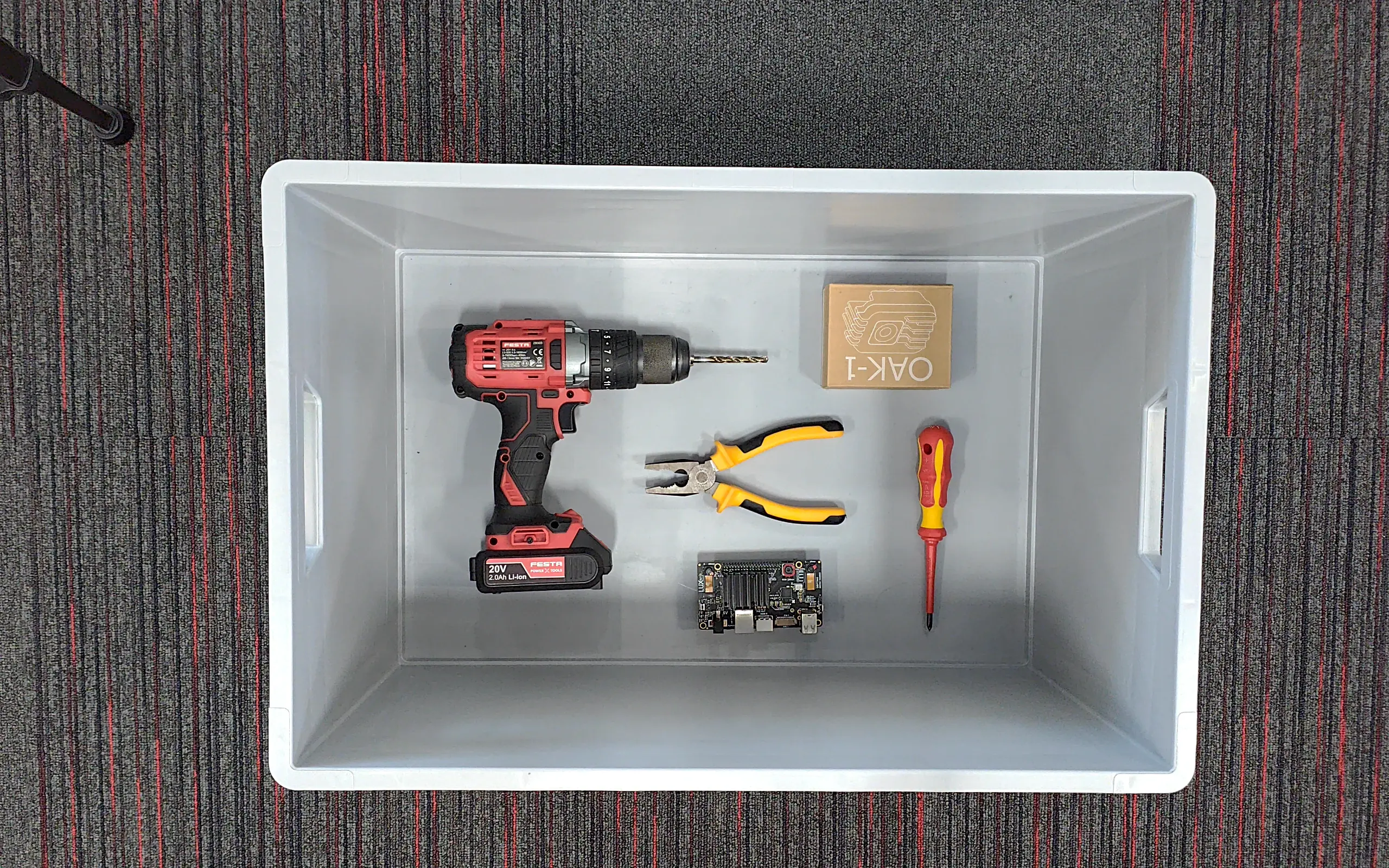
Depth flow step 1: RGB Image
01
RGB Image
The pipeline starts with a standard 2D frame rich in texture, color, and context, but missing the distance information needed for true spatial reasoning.
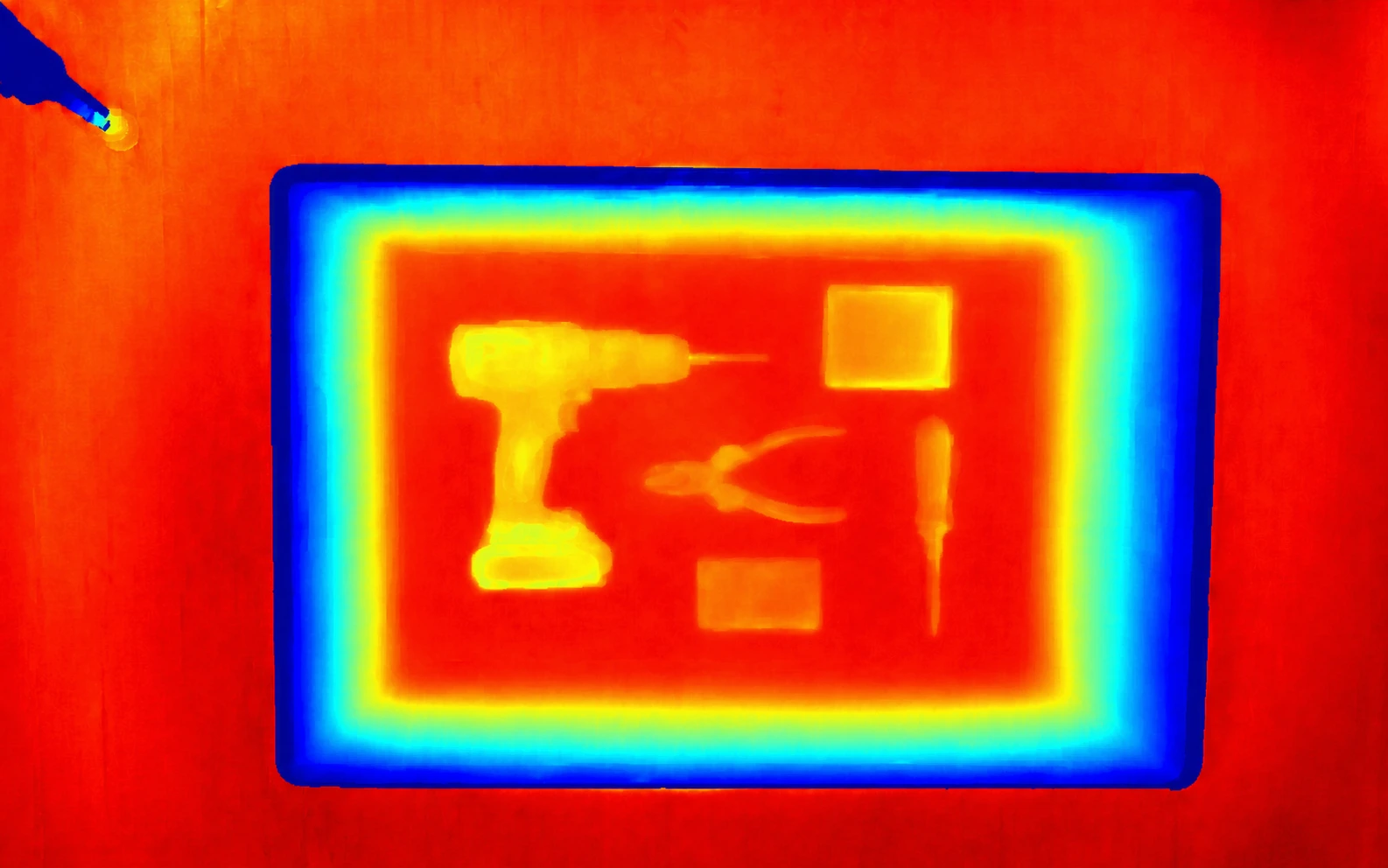
Depth flow step 2: Depth Map
02
Depth Map
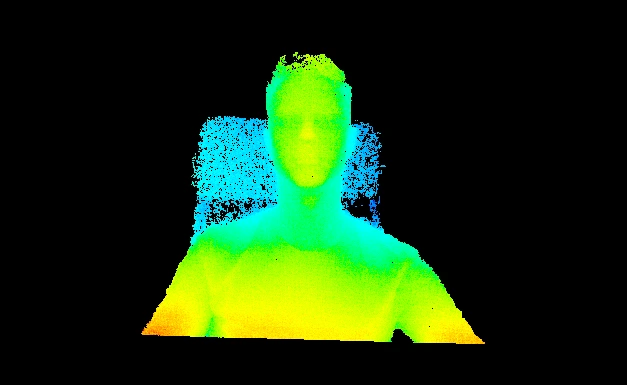
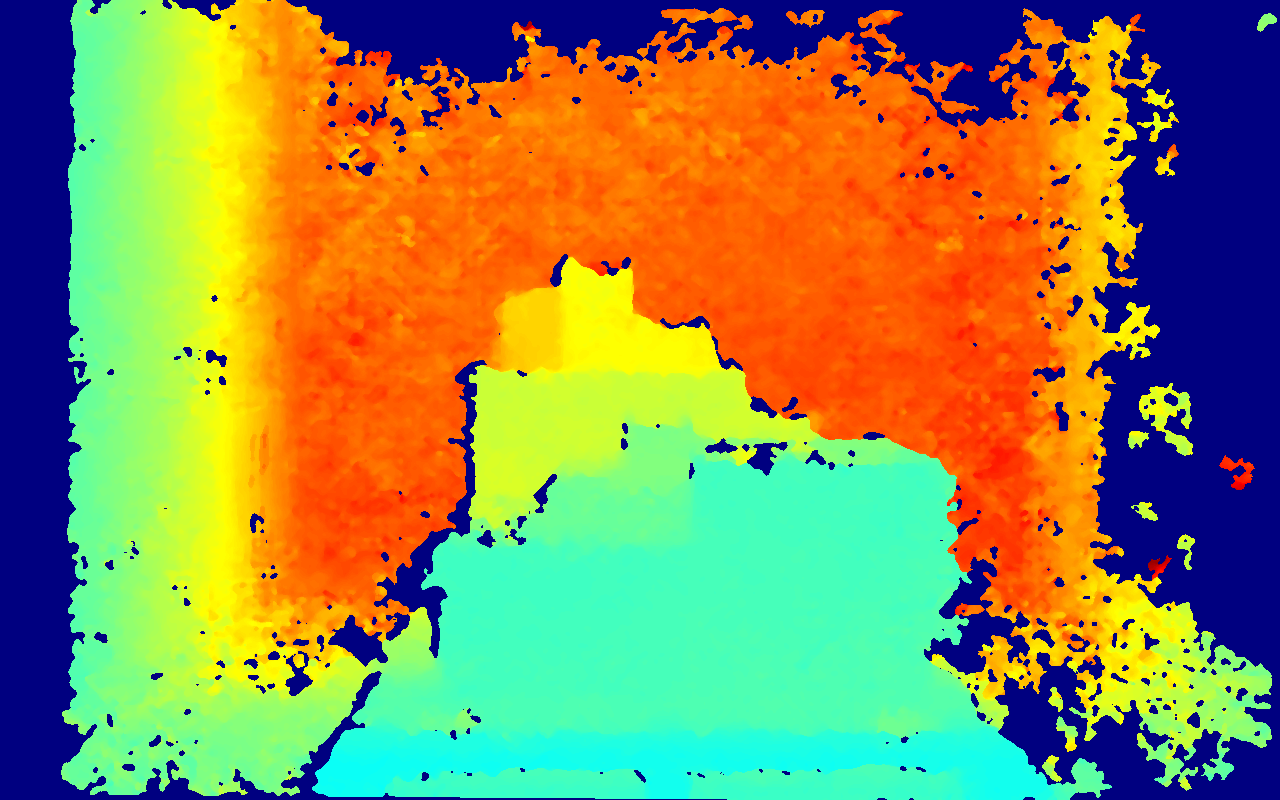
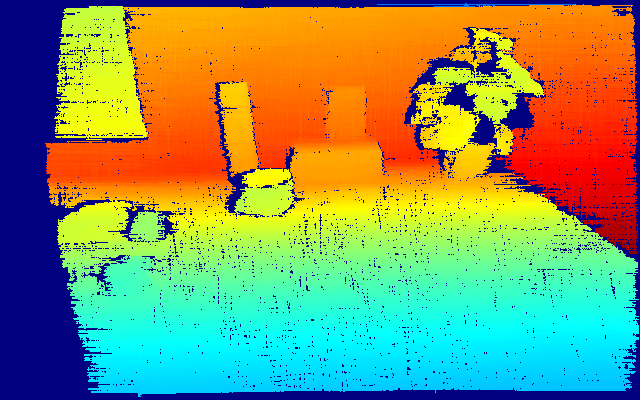
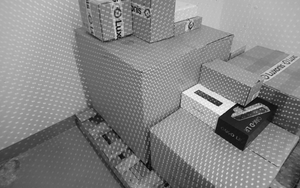
Depth estimation provides information about how far every visible surface is from the camera, transforming the image into a dense map of measurable scene geometry.
03
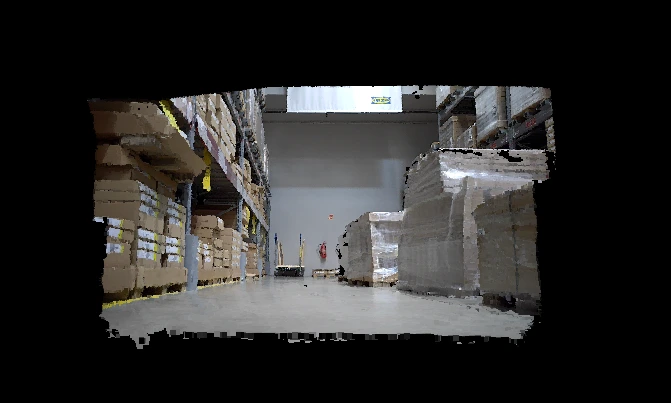
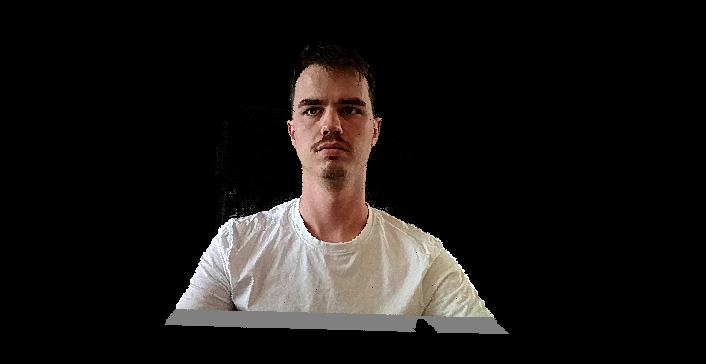
3D Point Cloud
The final representation lifts the scene into 3D, enabling measurement, navigation, manipulation, and digital understanding of the world around the device.
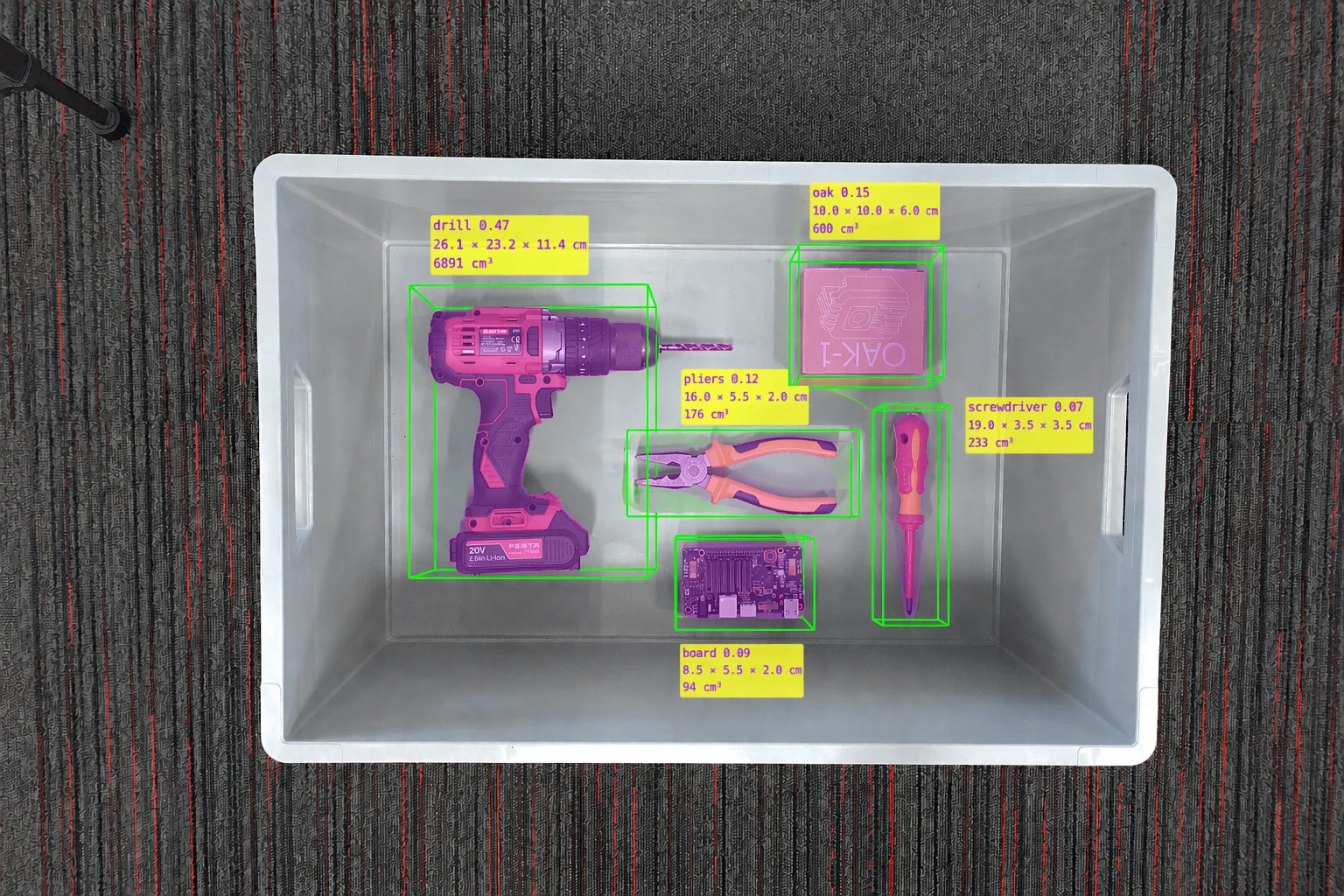
Depth flow step 4: Scene Understanding
04
Scene Understanding
Once depth is aligned with perception outputs, objects are no longer just detected. They can be localized, segmented, and understood in physical space.

Multi-Modal Platform

Stereo Depth Technologies

Luxonis is not locked into one depth method. Choose the approach that fits your environment, accuracy needs, and compute budget.

Left Camera
Right Camera
Rectification
Cost Matching
Stereo depth map example
Depth Map
Ultra-low latency (15–30 ms)
Up to 120 FPS
Longest maximum range
Textured outdoor scenes
Weak object boundaries
Gaps on low-texture / reflective surfaces
Requires profile tuning to get maximum performance

Enhance Depth with Active Stereo

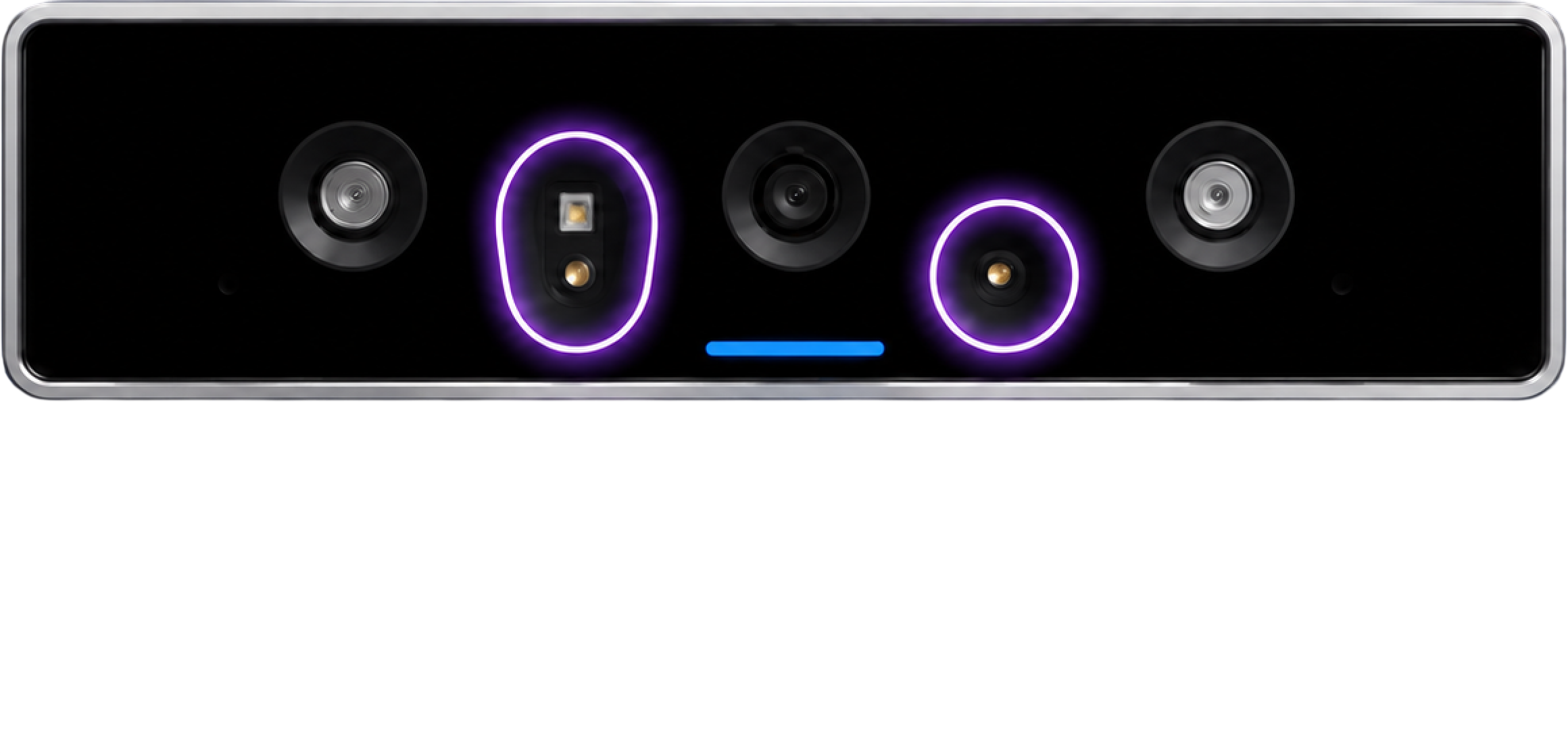
All OAK-D Pro models include a dot projector and IR illuminator, improving depth performance in low-texture and low-light environments.

Dot Projector
Dot Projector

Projects IR dot pattern onto the scene, adding artificial texture that improves stereo correspondence and depth accuracy on low-texture or featureless surfaces.

Flood Light
Flood Light

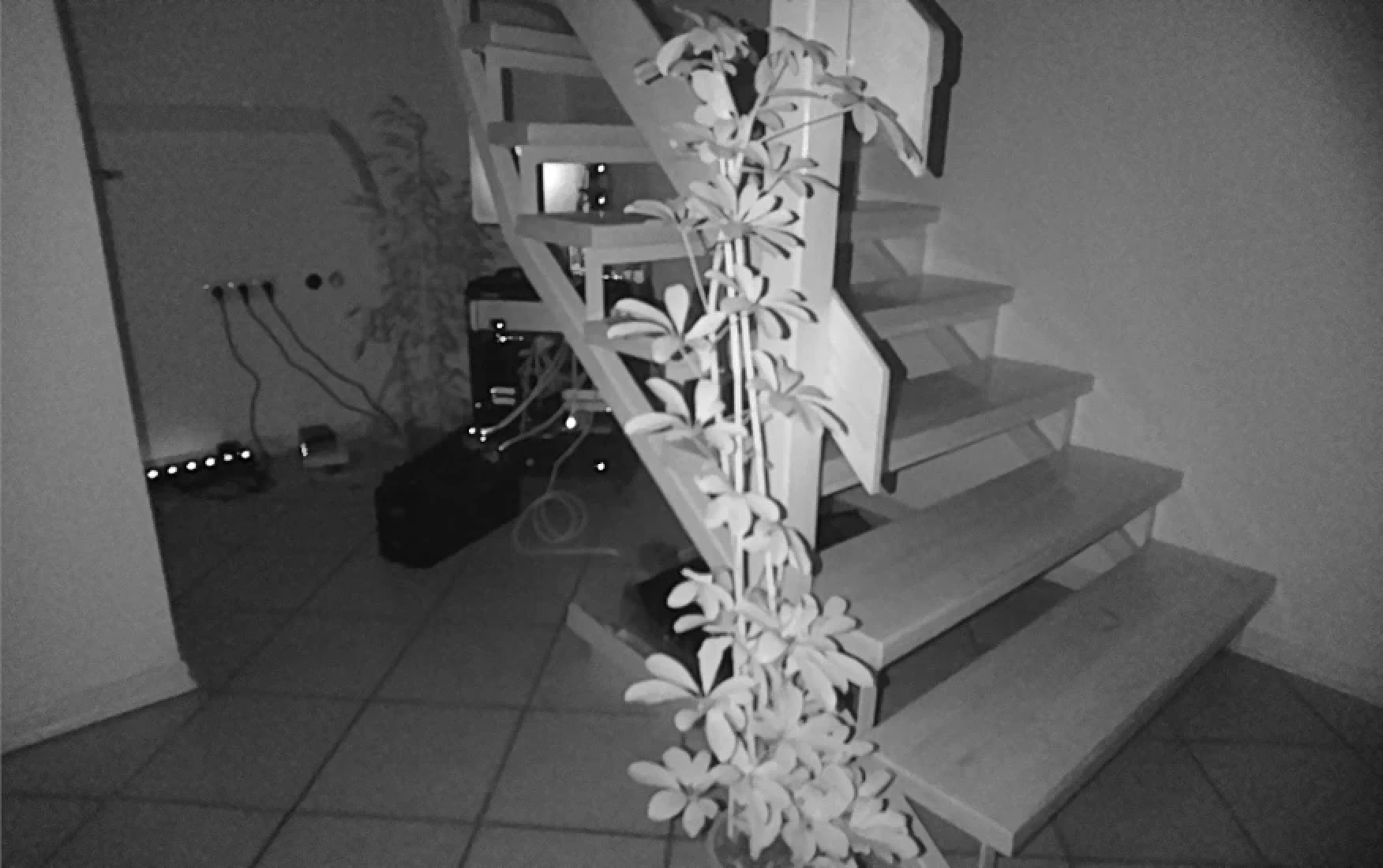
Provides 940nm IR illumination, enabling reliable stereo perception and AI vision performance in low-light and completely dark environments.

Point Cloud Comparison

Compare depth sensing methods on real-world data.

Point Cloud preview

Loading point cloud...

768×48025 FPS250 ms
Point Cloud preview

Loading point cloud...

1280×80055 FPS180 ms

Beyond Stereo: Time of Flight

Integrated as an extra sensor on select OAK devices, ToF delivers pinpoint, laser-accurate depth in short-range, low-texture, or zero-light environments.

ToF CameraIR Emitter + SensorSceneObjectsEmitted100 MHz80 MHzReflectedΔφ(phase shift)PhaseMeasurementDistanceCalculationDepth Map
Predictable short-range sensing
Low-texture & zero-light indoors
Human & hand-distance detection
Consistent depth error across range
Unusable in direct sunlight
Only on select OAK models with ToF sensor
Shorter range than stereo

Point Cloud Comparison per Scene

Inspect ToF performance on real-world data.

Point Cloud preview

Loading point cloud...

Point Cloud preview

Loading point cloud...

Self-Healing Depth

Traditional stereo systems often rely on manual recalibration after mounting changes, shocks, or slow drift over time. Luxonis gives teams multiple recovery modes ranging from fully automatic to fully controlled so depth can stay trustworthy in the field instead of becoming a maintenance bottleneck.

Decalibration detected

Auto Calibration

Calibration health is monitored during normal operation. When drift is detected, the system recalibrates using whatever scene is in front of the camera. No special targets, no operator, no downtime. Completes in seconds

Dynamic Calibration

If you need to strictly manage compute overhead, you can bypass continuous mode and manually trigger self-healing when you detect a mechanical shock or need to validate alignment. Integrate this into your pipeline and have full control over the process to ensure optimal performance on your own terms.

Manual Calibration

When teams want absolute direct control, standard calibration using printed Charuco boards remains fully supported as a deliberate fallback for specialized tuning and factory service operations.

Depth Tuning Lab

Luxonis Depth is highly configurable, allowing to optimize for the unique needs of your application. Each depth technology has its own tuning parameters, allowing for detailed control over the speed, quality, density, and robustness of the depth output.

Speed vs Quality

Generating frames...
SpeedQuality

Detail vs Robustness

Generating frames...
DetailRobustness

Why Luxonis

It is not just about depth quality. Luxonis brings hardware, firmware, depth algorithms, and the DepthAI software stack together as one deployable edge spatial AI platform.

On-Device AI

Run neural pipelines directly on OAK hardware, combining object detection, tracking, and depth without depending on a cloud connection or host GPU.

52 TOPS
On-chip inference
Low Latency

Depth and AI outputs stay close to real time, enabling responsive robotics control and fast closed-loop spatial decision making.

120 FPS
Stereo depth at 400P (RVC4)
Flexible Pipelines

DepthAI lets teams compose stereo, neural, tracking, and custom model stages in one programmable pipeline without custom firmware work.

50+
Ready-to-run examples
Price / Performance

Luxonis brings production-grade spatial AI into deployments where LiDAR or external GPU compute would otherwise block rollout at scale.

From $199
Stereo depth cameras

Real-World Scenarios

Real deployments that show how depth perception improves reliability, safety, and autonomy in complex environments.

Case Study

Vention logo

Vention

Vention is transforming industrial automation by making robotic systems accessible to non-engineers. Their AI Operator platform turns standard robot arms into plug-and-play solutions that can perceive, plan, and pick without any programming or custom training.

Case Study

Autonabit logo

Autonabit

Autonabit is a New Zealand agritech company building small autonomous robots for vineyards and orchards. Their robots handle everyday tasks such as bird deterrence, mowing, and vine scanning, helping growers adopt automation incrementally without changing their layouts or practices. By introducing autonomy gradually, Autonabit is making advanced robotics practical and affordable for growers.

Clearpath Robotics

Case Study

Clearpath Robotics logo

Clearpath Robotics

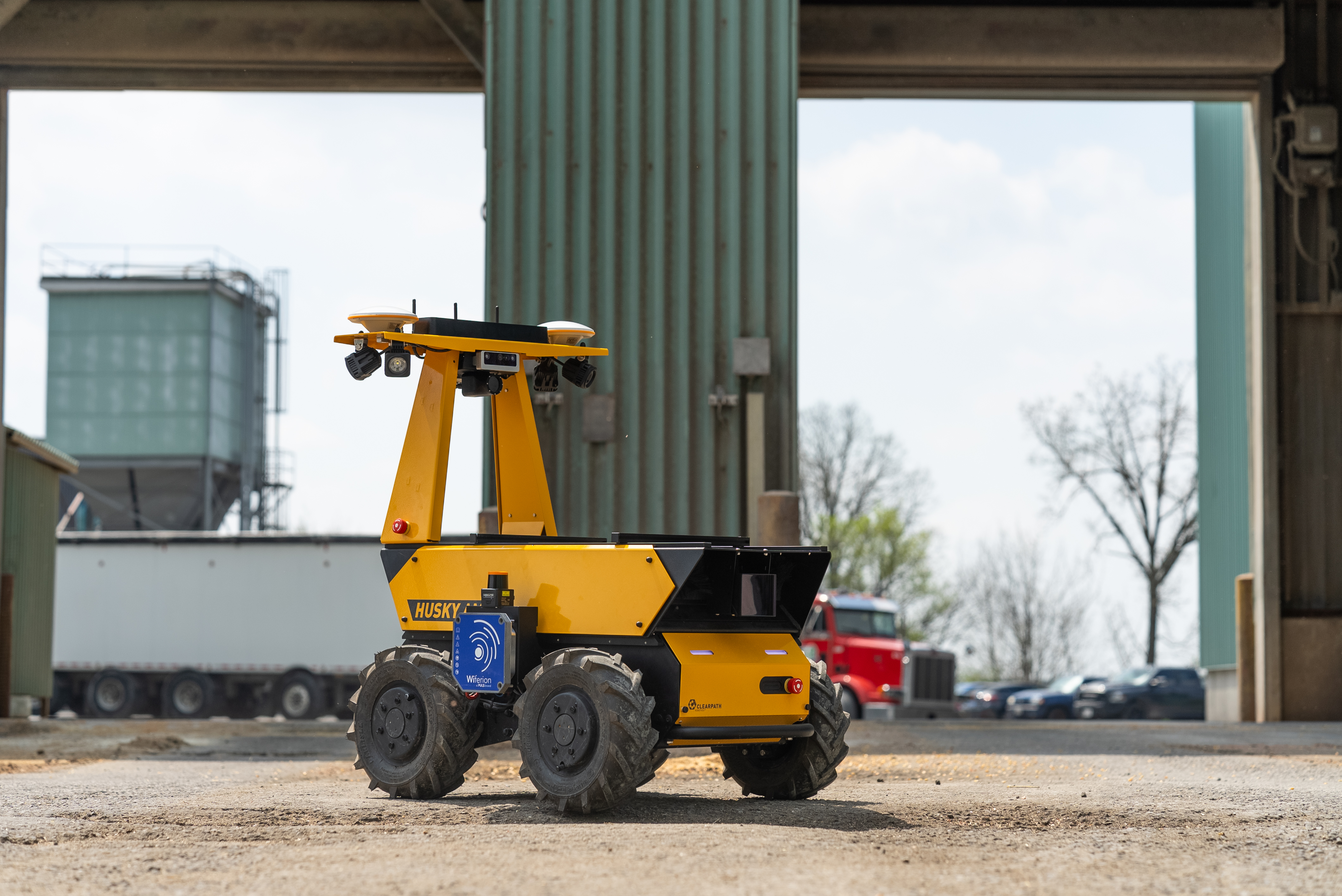
Clearpath Robotics by Rockwell Automation is redefining how mobile robots are built, tested, and deployed. Through platforms like the TurtleBot 4 and Husky A300, they give researchers, educators, and enterprises a developer-friendly foundation to accelerate autonomy, whether in a classroom or on rugged industrial terrain.

Muse

Case Study

Muse logo

Muse

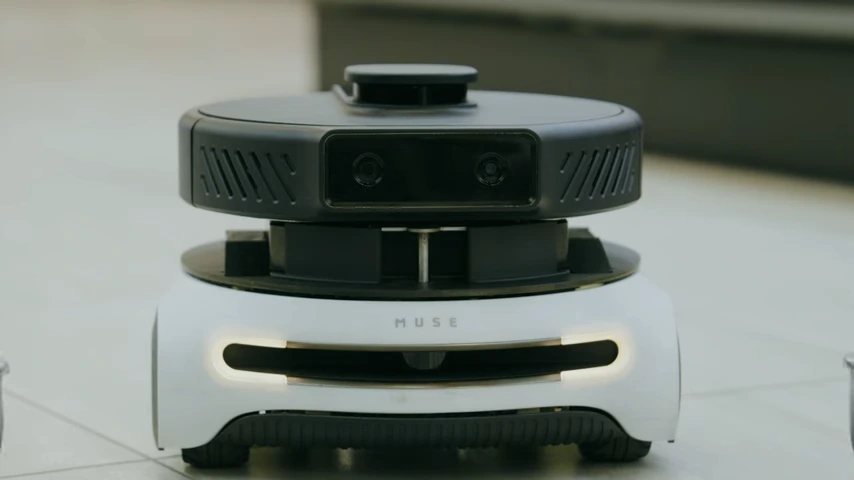
MUSE Inc. built Armo, a collaborative retail mobile robot that reduces staff strain, automates inventory checks, and improves customer navigation. With Luxonis Edge AI as its "visual cortex," Armo runs perception, obstacle detection, and door recognition on-device, keeping the main PC responsive even under challenging store lighting.

Pollen Robotics

Case Study

Pollen Robotics logo

Pollen Robotics

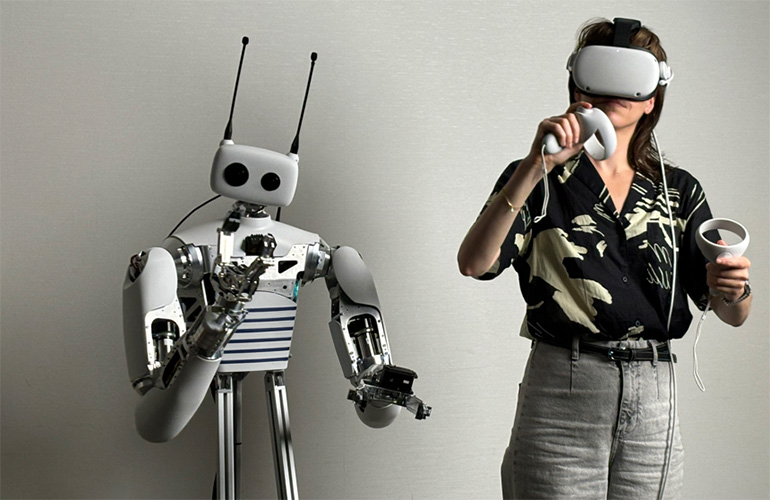
Pollen Robotics is a French startup focused on creating open and ethical robotics platforms that empower developers and researchers worldwide. They are best known for Reachy, an open-source humanoid robot designed for human-robot interaction, manipulation, and embodied AI research.

Need More Help?

Our dedicated team is available for technical support, business solutions, and more. Let us provide the help you need.

Talk to Luxonis

Choose the path that fits what you are building. We will route you to the right team.

30 min - with CJ

Product fit & pricing
  • Choose the right OAK device, module, or sensor
  • Compare USB, PoE, OAK4, and FFC options
  • Review eval kits, pricing, volume quotes, and lead times
  • Explore hardware customization, model development, or paid support tiers

30 min - with Solutions Engineering

Technical guidance
  • Walk through setting up your first OAK camera with a Luxonis team member
  • Shape the right camera, pipeline, and on-device AI architecture
  • Ask broader questions across DepthAI, Python/C++ APIs, ROS, NVIDIA Jetson, OAK Viewer, and Hub
  • Plan Luxonis Hub, OAK Apps, model deployment, and fleet rollout